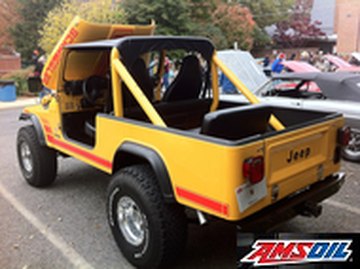
Maintenance Guidance for the 1983 Jeep Scrambler 2.5L
Maintaining a vintage vehicle like the 1983 Jeep Scrambler requires consistent attention to fluid levels and component health. Because older mechanical systems rely heavily on the integrity of lubricants to manage heat and friction, following specific fluid requirements is essential for long-term operation.
What transmission fluid does my 1983 Jeep SCRAMBLER 2.5L take?
Depending on your specific transmission configuration, the following fluids are listed: MTFQT-EA (Manual Synchromesh Transmission Fluid 5W-30), ATFPK-EA (Signature Series Multi-Vehicle Synthetic Automatic Transmission Fluid), and OTFQT-EA (OE Multi-Vehicle Synthetic Automatic Transmission Fluid).
Engine Oil Lubrication Fundamentals
The engine is the heart of your vehicle, and its longevity depends on the quality of the oil used during every service. For this 1983 Jeep Scrambler with the 2.5L engine, the database allows for the use of 10W-30 engine oil. Maintaining proper lubrication helps prevent metal-on-metal contact within the internal engine components, reducing wear and helping to manage operating temperatures.
When performing an oil change, it is important to ensure that the oil is free of contaminants. Over time, engine oil can collect microscopic debris, combustion byproducts, and moisture. Regularly replacing the oil ensures that these elements are removed from the system rather than circulating through the engine block and cylinder head.
Monitoring Fluid Levels and Condition
A proactive approach to maintenance involves regular visual inspections of all vital fluids. Checking the engine oil level using the dipstick should be a routine part of your vehicle's care. This check is most accurate when the vehicle is parked on level ground after the engine has been allowed to sit for several minutes, allowing the oil to settle in the pan.
Beyond just checking the quantity, observe the color and consistency of the oil. Extremely dark or gritty oil may indicate that a service interval is approaching or that there is excessive soot buildup. If you notice any milky appearance in the oil, this can be an indicator of moisture contamination, which should be addressed promptly to prevent internal corrosion.
Transmission and Drivetrain Care
The transmission is responsible for transferring power from the engine to the wheels, and its performance is highly dependent on the fluid used. As noted in the technical specifications, different fluids are listed for manual synchromesh applications versus automatic applications. Using a fluid that matches your specific transmission type is critical for smooth gear engagement and heat dissipation.
In addition to the transmission, other drivetrain components often require periodic inspection. While specific intervals vary, keeping an eye on any signs of leaking fluids around the transmission housing or transfer case can help prevent sudden fluid loss, which can lead to mechanical failure if left unaddressed.
General Maintenance Scheduling
To keep a 1983 Jeep Scrambler in reliable condition, you should not rely on guesswork regarding when to perform service. Every vehicle has specific requirements for oil changes, filter replacements, and fluid flushes. The most accurate source for these intervals is your owner's manual or the manufacturer's official maintenance schedule.
Following a structured maintenance plan helps prevent small issues from becoming major mechanical repairs. This includes staying current with all scheduled inspections of the cooling system, braking components, and electrical systems to ensure the vehicle remains safe and operational.
Preventative Inspection Tips
Regularly inspecting the underside of the vehicle can reveal leaks that are not immediately obvious from the driver's seat. Look for wet spots or residue on the ground where the vehicle is parked. Common areas for fluid seepage include gaskets, seals, and drain plugs. Identifying a slow leak early allows for a controlled repair rather than an emergency situation caused by a sudden loss of pressure or lubrication.
Additionally, pay attention to how the vehicle behaves during operation. Changes in engine noise, shifts in transmission smoothness, or unusual smells can all be early warning signs that a fluid is degraded or that a component requires attention.
BUYING ENGINE OIL
When you are ready to purchase oil for your 1983 Jeep Scrambler 2.5L, ensure you select the 10W-30 viscosity listed in your technical documentation. Always verify that the product meets the necessary standards for your engine type. It is helpful to check the labels on the containers to confirm they match your requirements before completing your purchase.